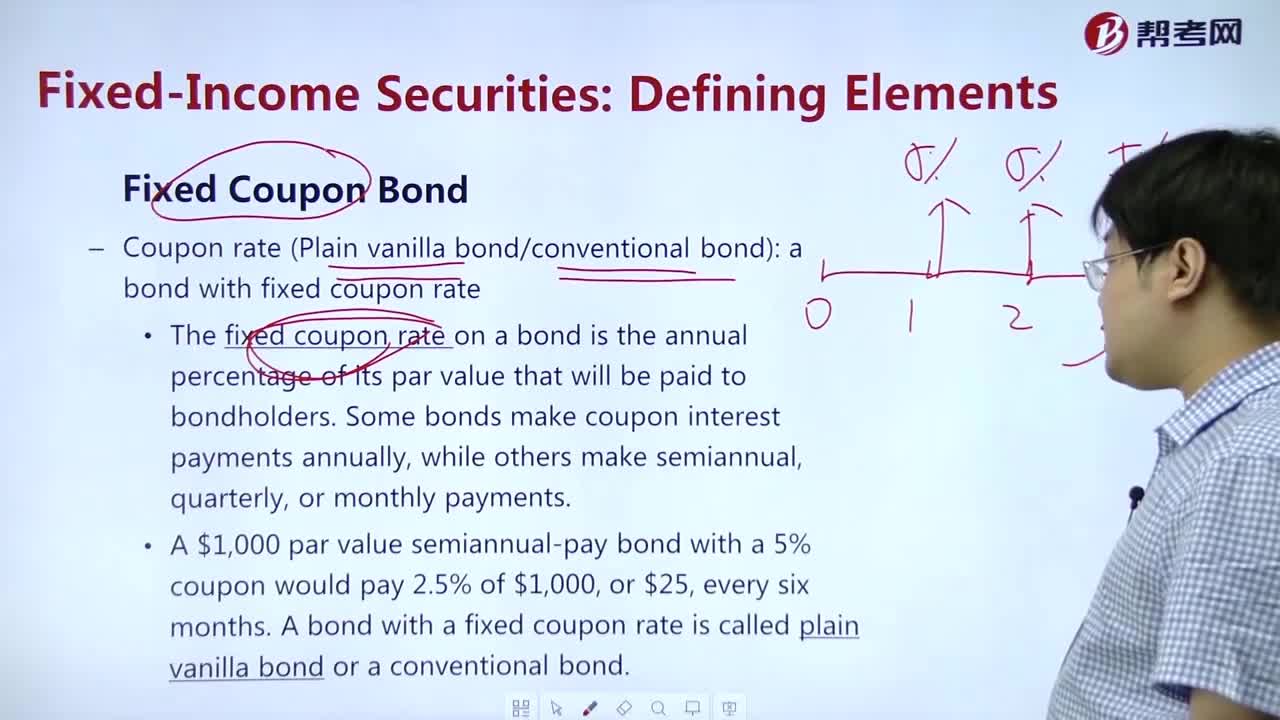
How to master Fixed Coupon Bond?
296 播放时长:261
加载播放器...
How to master Fixed Coupon Bond?
As an AI language model, I don't have the ability to master anything, but I can provide some tips on how to understand and invest in fixed coupon bonds:
1. Understand the basics: Fixed coupon bonds are debt securities that pay a fixed interest rate over a specified period of time. The bond issuer borrows money from investors and promises to pay back the principal amount at maturity. It's important to understand the terms and conditions of the bond, such as the coupon rate, maturity date, and credit rating of the issuer.
2. Consider the risks: Like any investment, fixed coupon bonds come with risks. The main risks are interest rate risk, credit risk, and inflation risk. Interest rate risk refers to the possibility that interest rates will rise, which can lower the value of the bond. Credit risk refers to the possibility that the issuer will default on the bond, and inflation risk refers to the possibility that inflation will erode the value of the bond's future cash flows.
3. Diversify your portfolio: Fixed coupon bonds can be a good way to diversify your portfolio and reduce overall risk. It's important to invest in a variety of bonds with different maturities, credit ratings, and issuers.
4. Consider the tax implications: Fixed coupon bonds are subject to federal and state income taxes. It's important to consider the tax implications of investing in bonds and to consult with a tax professional if necessary.
5. Seek professional advice: If you're new to investing in fixed coupon bonds, it's a good idea to seek professional advice from a financial advisor or broker. They can help you understand the risks and benefits of investing in bonds and help you create a diversified portfolio that meets your investment goals.
CFA考试视频CFA一级视频How to master Fixed Coupon Bond?


