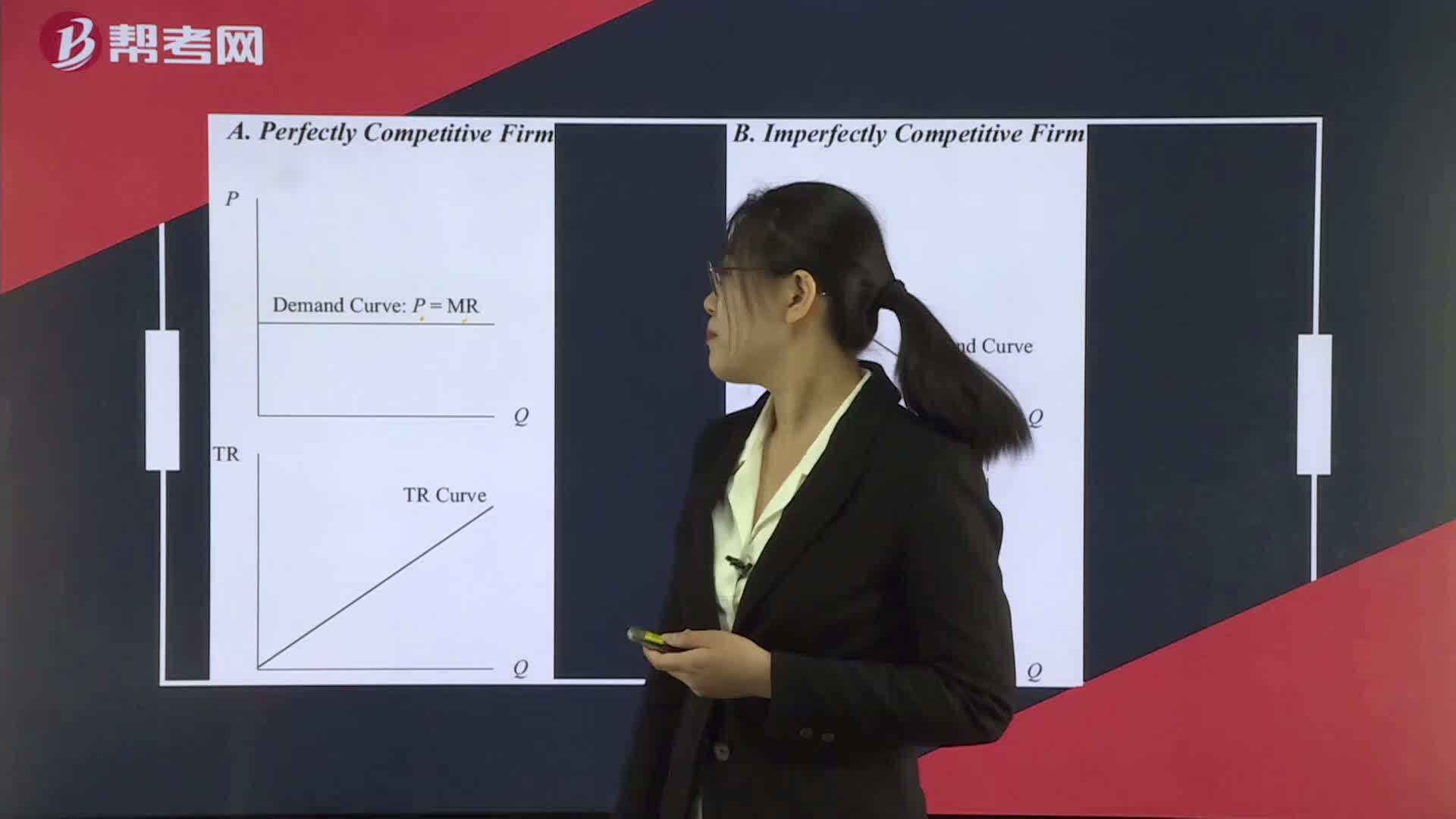
Revenue under Conditions of Perfect and Imperfect Competition
405 播放时长:170
加载播放器...
Imperfect Competition
Under conditions of perfect competition, revenue is determined by the market demand and supply forces. In a perfectly competitive market, firms are price takers, meaning they have no control over the market price and must sell their products at the prevailing market price. As a result, the revenue of a firm in a perfectly competitive market is determined by the market price and the quantity of output sold.
In contrast, under conditions of imperfect competition, firms have some degree of control over the market price. In an imperfectly competitive market, firms can influence the market price by adjusting their output levels. As a result, the revenue of a firm in an imperfectly competitive market is determined not only by the market price but also by the firm's output level.
In a monopoly market, for example, the monopolist has complete control over the market price and can charge a higher price than in a perfectly competitive market. As a result, the monopolist's revenue is higher than that of a firm in a perfectly competitive market.
In an oligopoly market, where a few firms dominate the market, firms have some control over the market price, but not as much as in a monopoly market. As a result, the revenue of firms in an oligopoly market is higher than that of a firm in a perfectly competitive market but lower than that of a monopolist.
In conclusion, the revenue of a firm is determined by the market structure and the degree of competition in the market. Under conditions of perfect competition, firms are price takers, and revenue is determined by the market price and quantity sold. In contrast, under conditions of imperfect competition, firms have some degree of control over the market price, and revenue is determined by the market price and the firm's output level.
CFA考试视频Revenue under Conditions of Perfect and Imperfect CompetitionCFA一级视频