Economies of Scale and Diseconomies of Scale
781 播放时长:261
加载播放器...
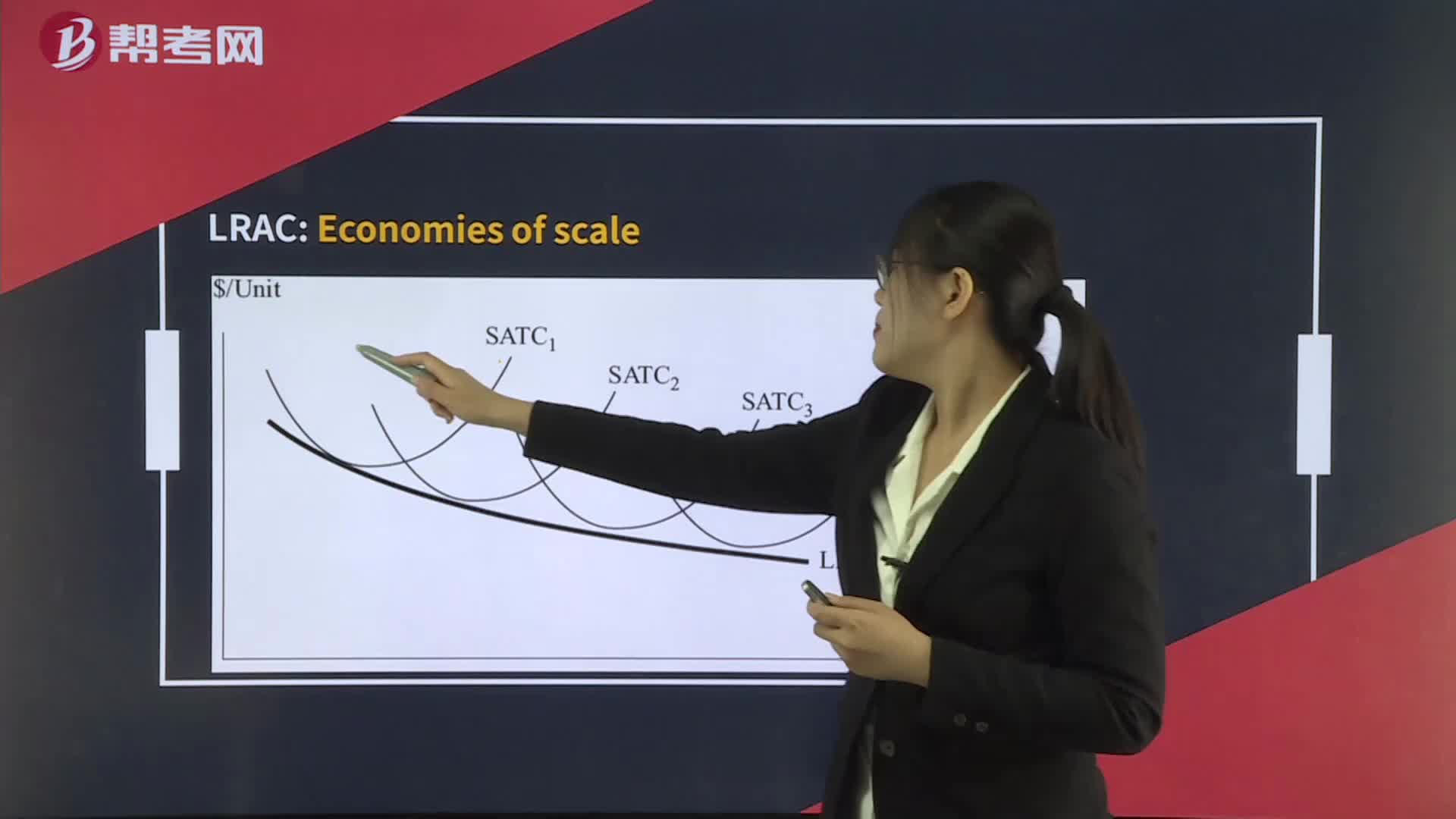
as the firm increases its output:size under perfect competition over the long run.
Economies of scale refer to the cost advantages that a firm can achieve by increasing its production levels. These cost advantages are due to the fact that as production levels increase, the per-unit cost of production decreases. This is because fixed costs, such as rent, machinery, and salaries, are spread over a larger number of units, resulting in lower average costs.
Diseconomies of scale, on the other hand, occur when a firm's production levels become too large, resulting in higher per-unit costs of production. This can happen due to a variety of reasons, such as increased complexity of operations, difficulty in managing a large workforce, and increased bureaucracy.
The point at which a firm experiences diseconomies of scale is known as the optimal scale of production. At this point, the firm is producing at the most efficient level, and any further increase in production levels will result in higher costs.
Overall, economies of scale and diseconomies of scale are important concepts for firms to understand in order to optimize their production levels and minimize costs.
CFA考试视频Economies of Scale and Diseconomies of ScaleCFA一级视频


