Factors Influencing the Mix of Fiscal and Monetary Policy
466 播放时长:268
加载播放器...
Monetary Policy;by the political context.:Both fiscal and monetary policies suffer from;lack of precise knowledge of where:studyNoaccommodation.
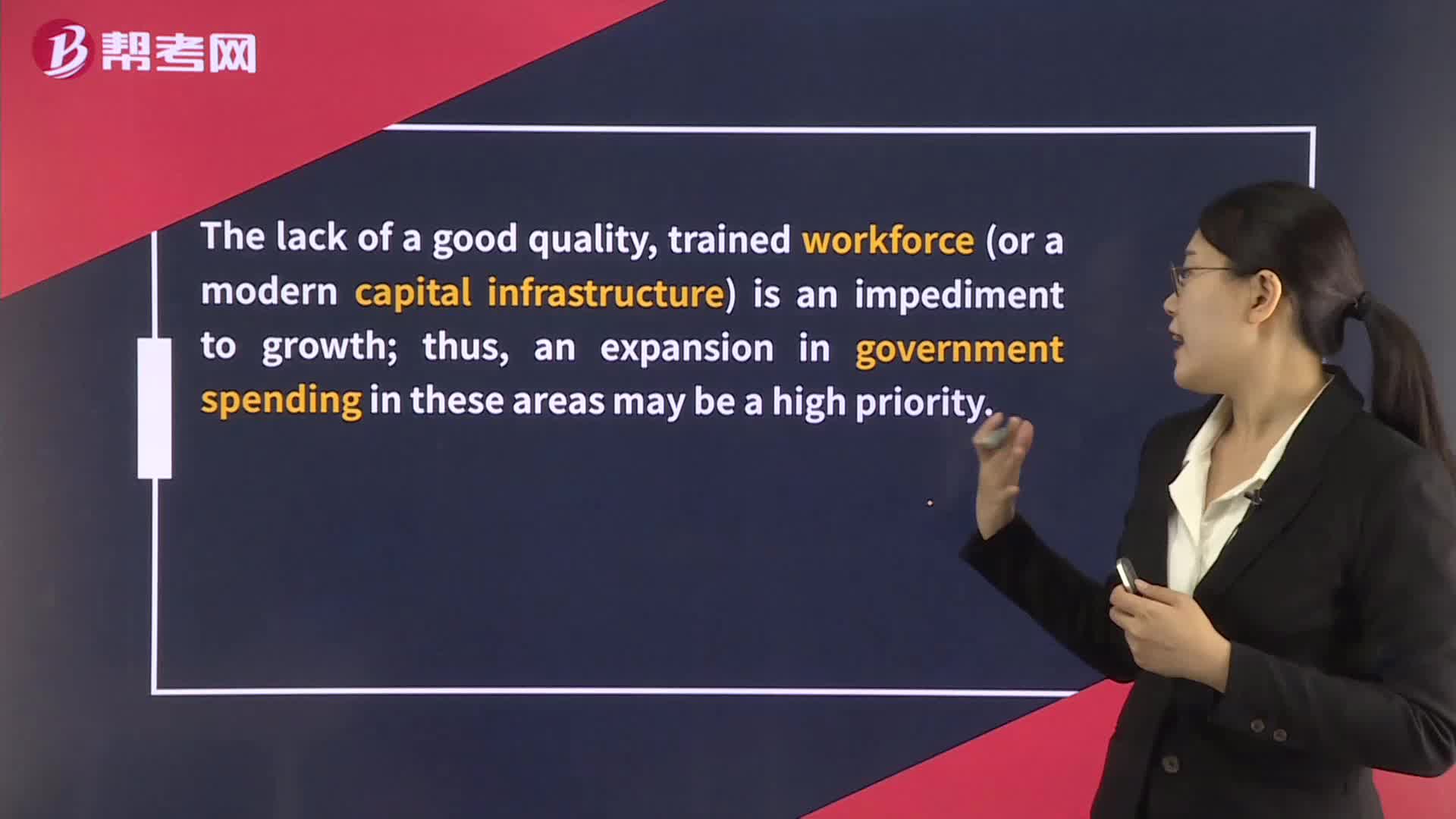
1. Economic Conditions: The state of the economy is a major factor that influences the mix of fiscal and monetary policy. During a recession, monetary policy may be more effective in stimulating the economy than fiscal policy. Whereas during an economic boom, fiscal policy may be more effective in controlling inflation than monetary policy.
2. Political Environment: The political environment can also influence the mix of fiscal and monetary policy. In some cases, political considerations may lead to a bias towards fiscal policy, especially if the government is facing an election. In other cases, political considerations may lead to a bias towards monetary policy, especially if the central bank is independent and has a mandate to maintain price stability.
3. Institutional Framework: The institutional framework of a country can also influence the mix of fiscal and monetary policy. For example, in countries with a strong central bank, monetary policy may be more effective in controlling inflation than fiscal policy. Whereas in countries with weak institutions, fiscal policy may be more effective in stimulating the economy than monetary policy.
4. Public Debt: The level of public debt can also influence the mix of fiscal and monetary policy. In countries with high levels of public debt, fiscal policy may be constrained by the need to maintain fiscal sustainability. Whereas in countries with low levels of public debt, fiscal policy may be more effective in stimulating the economy than monetary policy.
5. Exchange Rate: The exchange rate can also influence the mix of fiscal and monetary policy. In countries with a fixed exchange rate regime, monetary policy may be more effective in maintaining the exchange rate than fiscal policy. Whereas in countries with a floating exchange rate regime, fiscal policy may be more effective in influencing the exchange rate than monetary policy.
CFA考试视频Factors Influencing the Mix of Fiscal and Monetary PolicyCFA一级视频