
下载亿题库APP
联系电话:400-660-1360
下载亿题库APP
联系电话:400-660-1360

请谨慎保管和记忆你的密码,以免泄露和丢失
请谨慎保管和记忆你的密码,以免泄露和丢失

最近,有小伙伴在询问最后阶段,考研英语该如何备考才最有效。最后阶段,我们应该将备考的重点放在复习和了解考试上,多去练习历年真题和模拟试题。下面,帮考网为大家带来考研初试的一些模拟试题,一起来看看吧。
The Norwegian Government is doing its best to keep the oil industry under control. A new law limits exploration to an area south of the southern end of the long coastline; production limits have been laid down (though these have already been raised); and oil companies have not been allowed to employ more than a limited number of foreign workers. But the oil industry has a way of getting over such problems, and few people believe that the Government will be able to hold things back for long. As on Norwegian politician said last week: “We will soon be changed beyond all recognition.”
Ever since the war, the Government has been carrying out a programme of development in the area north of the Arctic Circle. During the past few years this programme has had a great deal of success: Tromso has been built up into a local capital with a university, a large hospital and a healthy industry. But the oil industry has already started to draw people south, and within a few years the whole northern policy could be in ruins.
The effects of the oil industry would not be limited to the north, however. With nearly 100 percent employment, everyone can see a situation developing in which the service industries and the tourist industry will lose more of their workers to the oil industry. Some smaller industries might even disappear altogether when it becomes cheaper to buy goods from abroad.
The real argument over oil is its threat to the Norwegian way of life. Farmers and fishermen do not make up most of the population, but they are an important part of it, because Norwegians see in them many of the qualities that they regard with pride as essentially Norwegian. And it is the farmers and the fishermen who are most critical of the oil industry because of the damage that it might cause to the countryside and to the sea.
1.The Norwegian Government would prefer the oil industry to
[A] provide more jobs for foreign workers.
[B] slow down the rate of its development.
[C] sell the oil it is producing abroad.
[D] develop more quickly than at present.
2.The Norwegian Government has tried to
[A] encourage the oil companies to discover new oil sources.
[B] prevent oil companies employing people from northern Norway.
[C] help the oil companies solve many of their problems.
[D] keep the oil industry to something near its present size.
3.According to the passage, the oil industry might lead northern Norway to
[A] the development of industry.
[B] a growth in population.
[C] the failure of the development programme.
[D] the development of new towns.
4.In the south, one effect to the development of the oil industry might be
[A] a large reduction on unemployment.
[B] a growth in the tourist industry.
[C] a reduction in the number of existing industries.
[D] the development of a number of service industries.
5.Norwegian farmers and fishermen have an important influence because
[A] they form such a large part of Norwegian ideal.
[B] their lives and values represent the Norwegian ideal.
[C] their work is so useful to the rest of Norwegian society.
[D] they regard oil as a threat to the Norwegian way of life.
以上就是帮考网为大家带来的全部内容,希望能给大家一些帮助。帮考网提醒:2021年考研正式报名已经开始,在预报名阶段未来得及报名的小伙伴要注意了。另外,小伙伴们如果还有其他关于考研信息的疑问,也可以留言咨询哦。
 22
22以前年度的普通研究生入学考试成绩还能查询吗?:以前年度的普通研究生入学考试成绩还能查询吗?以前的考研成绩能查,成绩查询可以登录中国研究生招生信息网,根据自己报考研究生考试的报名号登陆,即可查询以前的考研成绩。
 44
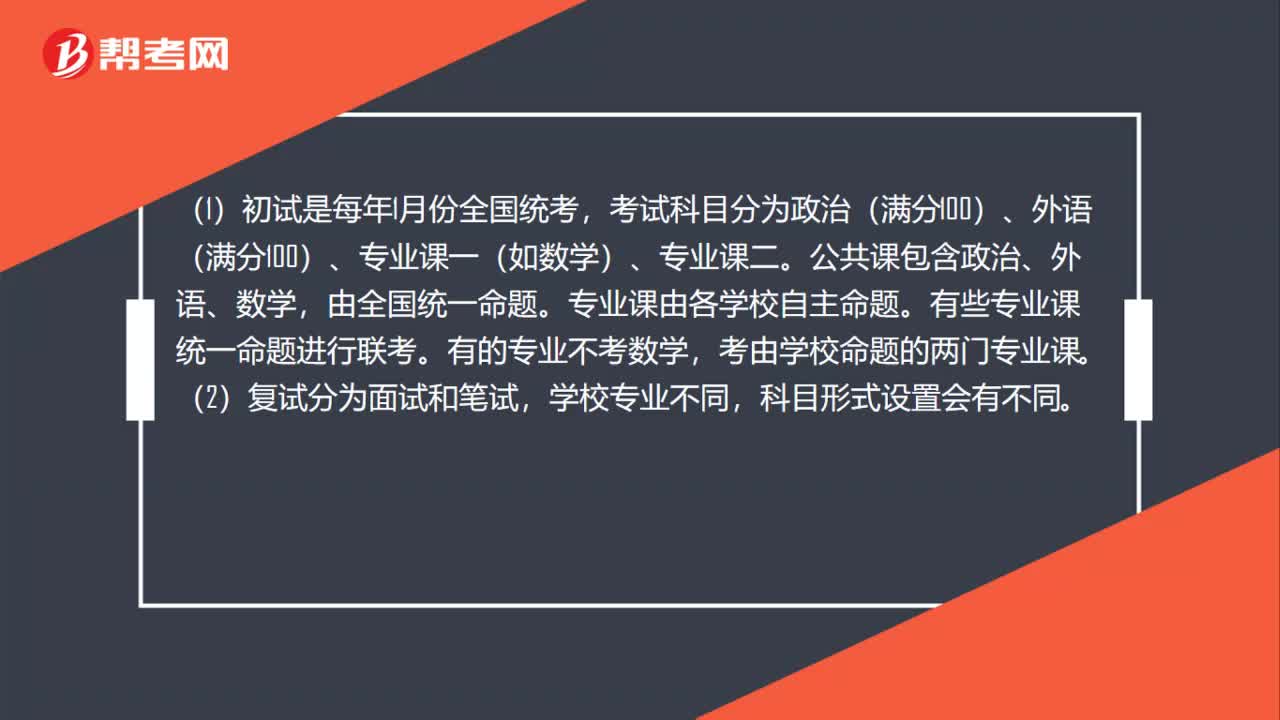
44研究生入学考试要考哪几门?:研究生入学考试要考哪几门?(1)初试是每年1月份全国统考,考试科目分为政治(满分100)、外语(满分100)、专业课一(如数学)、专业课二。公共课包含政治、外语、数学,由全国统一命题。专业课由各学校自主命题。有些专业课统一命题进行联考。有的专业不考数学,考由学校命题的两门专业课。(2)复试分为面试和笔试,学校专业不同,科目形式设置会有不同。
 43
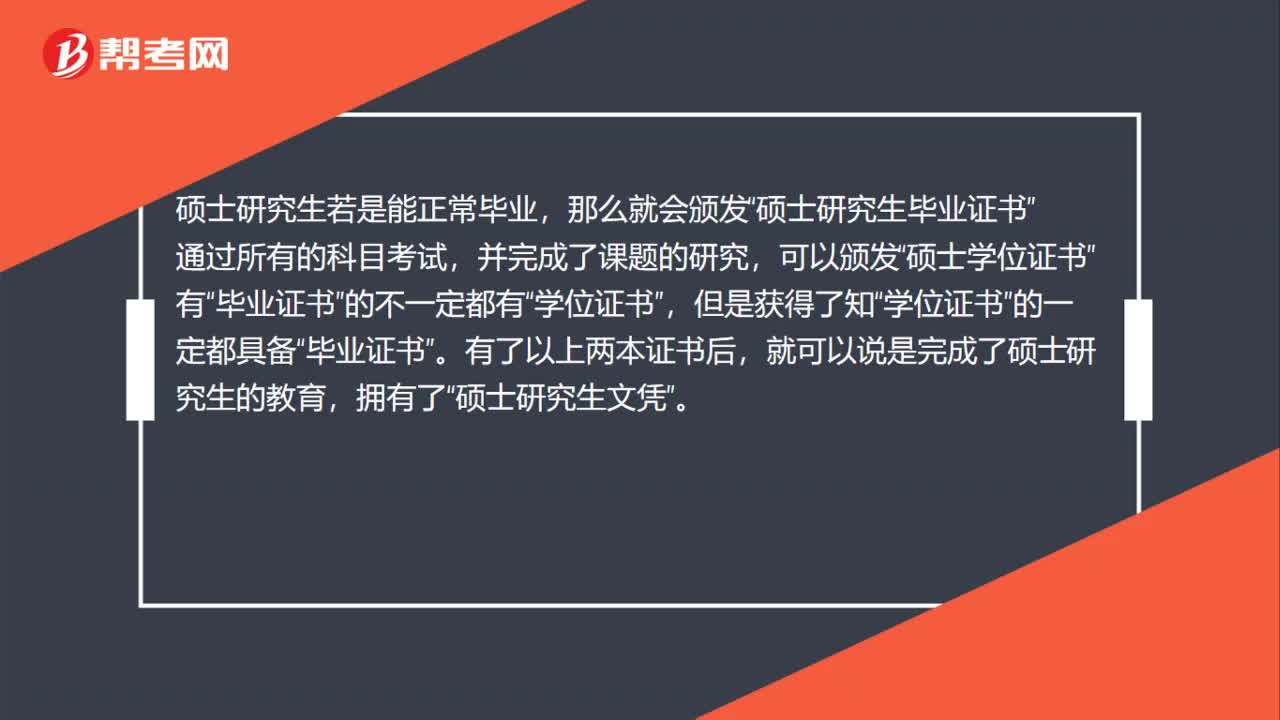
43普通研究生证书,研究生文凭和硕士学位三者的区别是什么?:普通研究生证书,研究生文凭和硕士学位三者的区别是什么?硕士研究生若是能正常毕业,那么就会颁发“硕士研究生毕业证书”通过所有的科目考试。并完成了课题的研究,可以颁发,硕士学位证书“有”的不一定都有“但是获得了知“学位证书”的一定都具备,毕业证书“有了以上两本证书后”就可以说是完成了硕士研究生的教育“拥有了”硕士研究生文凭。
 00:41
00:412020-06-06
00:442020-06-06
 00:28
00:282020-06-06
 00:27
00:272020-06-06
 00:33
00:332020-06-06

微信扫码关注公众号
获取更多考试热门资料