How to determine the value of an option purchased?
447 播放时长:985
加载播放器...
How to determine the value of an option purchased?
As an AI language model, I do not have personal preferences or financial advice to give. However, I can provide some general information on how to determine the value of an option purchased:
1. Check the current market price of the underlying asset: The value of an option is directly related to the price of the underlying asset. If the price of the underlying asset has increased, the value of a call option will increase, and the value of a put option will decrease. Conversely, if the price of the underlying asset has decreased, the value of a call option will decrease, and the value of a put option will increase.
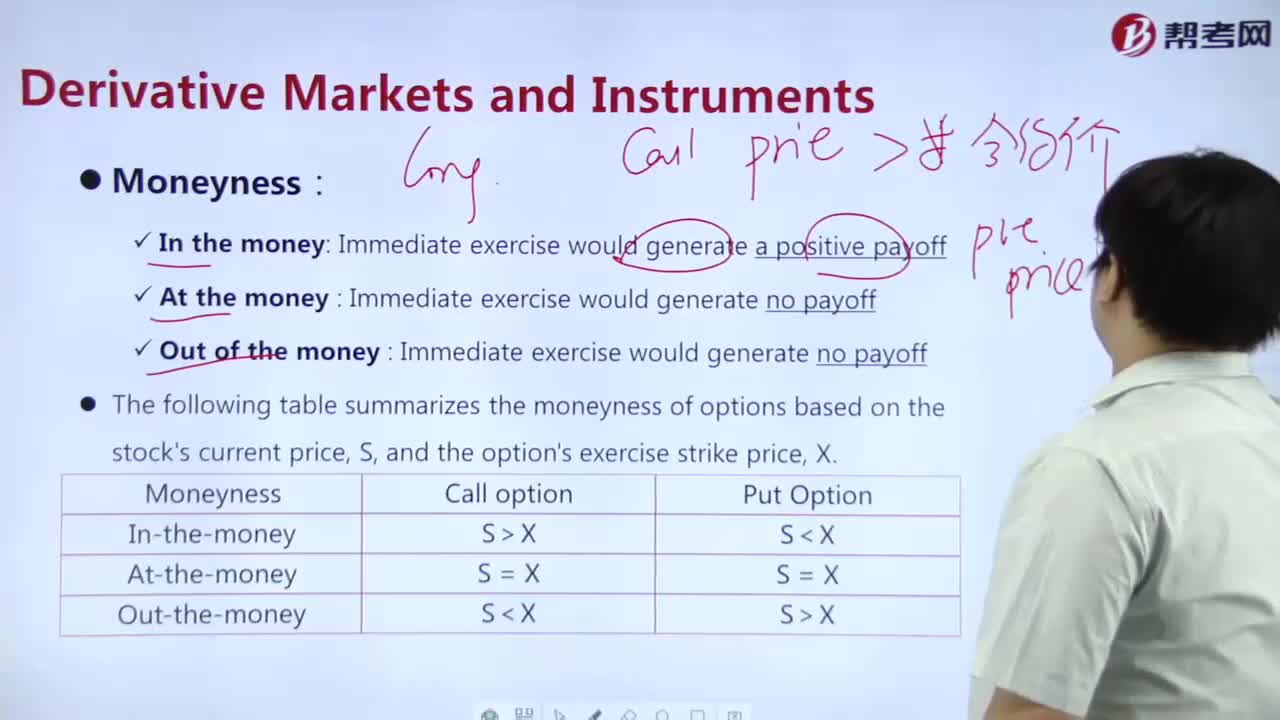
2. Determine the strike price: The strike price is the price at which the underlying asset can be bought or sold. If the strike price of a call option is lower than the current market price of the underlying asset, the option is said to be "in the money." If the strike price of a put option is higher than the current market price of the underlying asset, the option is also said to be "in the money." In-the-money options have a higher value than out-of-the-money options.
3. Check the expiration date: Options have a finite lifespan, and their value decreases as they approach their expiration date. The closer the expiration date, the lower the value of the option.
4. Consider implied volatility: Implied volatility is a measure of the market's expectation of how much the price of the underlying asset will fluctuate in the future. Higher implied volatility generally leads to higher option prices, while lower implied volatility leads to lower option prices.
5. Calculate the option's intrinsic value and time value: The intrinsic value is the difference between the current market price of the underlying asset and the strike price of the option. The time value is the difference between the option's total value and its intrinsic value. As the expiration date approaches, the time value decreases, and the intrinsic value becomes the dominant factor in determining the option's value.
Keep in mind that options trading can be complex and involves risks. It is important to do your research and consult with a financial advisor before making any investment decisions.
CFA考试视频How to determine the value of an option purchased?CFA一级视频