
下载亿题库APP
联系电话:400-660-1360
下载亿题库APP
联系电话:400-660-1360

请谨慎保管和记忆你的密码,以免泄露和丢失
请谨慎保管和记忆你的密码,以免泄露和丢失
Demand Analysis:The Consumer
The law of demand: as the price of a good rises, buyers will choose to buy less of it, and as its price falls, they buy more.
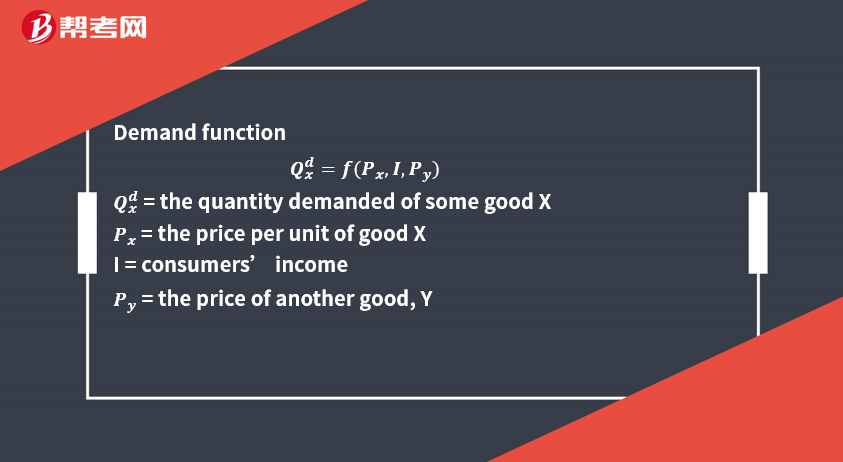
The graph of the inverse demand function is called the demand curve.
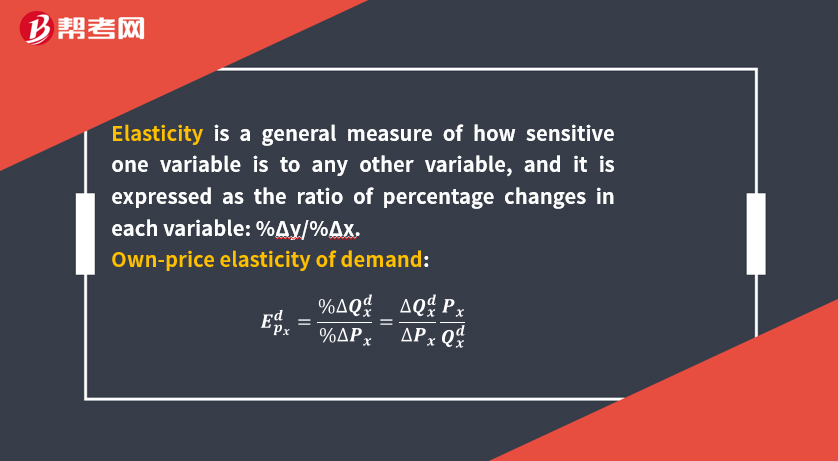
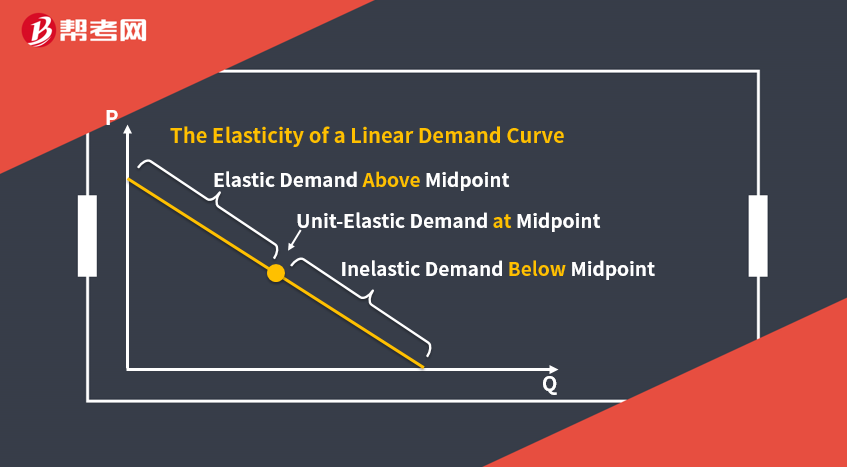
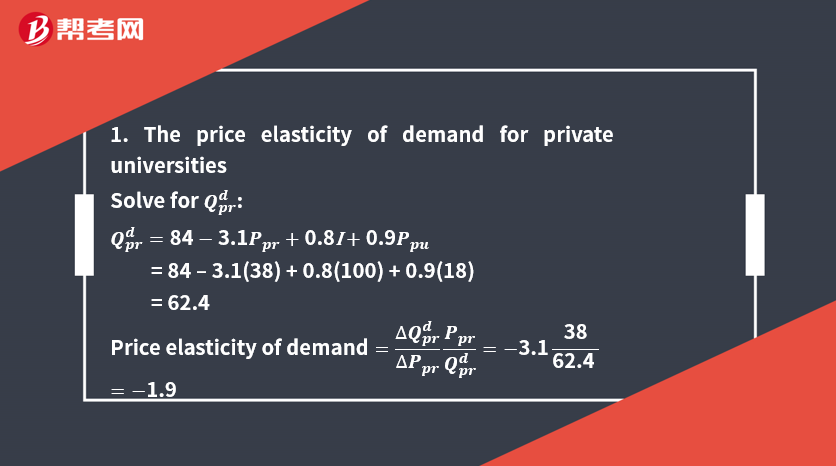
When the magnitude of the own-price elasticity coefficient has a value of less than one, demand is said to be inelastic.
When that magnitude is greater than one, demand is said to be elastic.
And when the elasticity coefficient is equal to negative one, demand is said to be unit elastic, or unitary elastic.
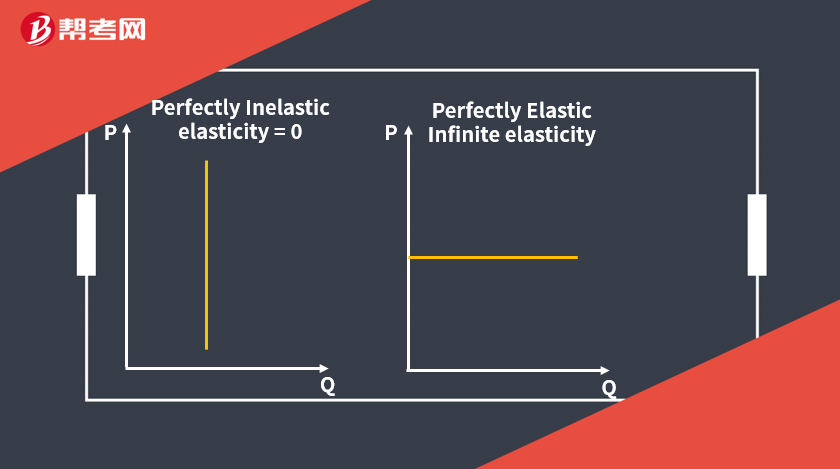
Own-price elasticity of demand is likely to be greater for items that
have many close substitutes,
occupy a large portion of the total budget,
are seen to be optional instead of necessary, have longer adjustment times.
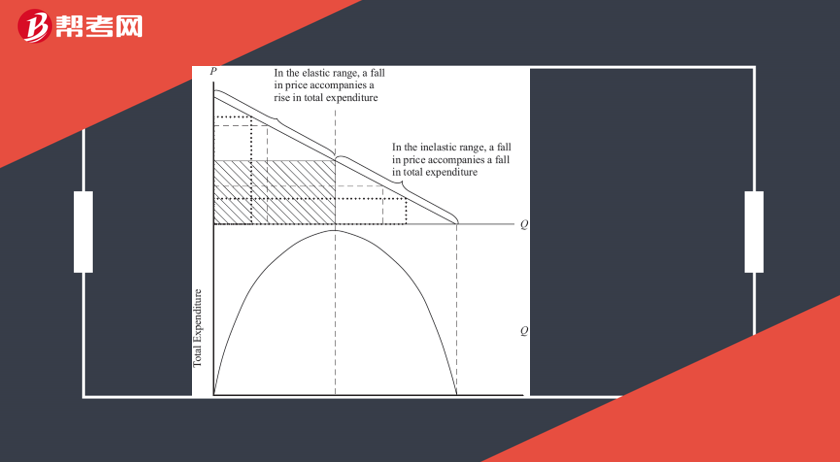
Price and total expenditure
When demand is elastic, price and total expenditure move in opposite directions.
When demand is inelastic, price and total expenditure move in the same direction.
Maximum total expenditure occurs at the unit-elastic point on a linear demand curve
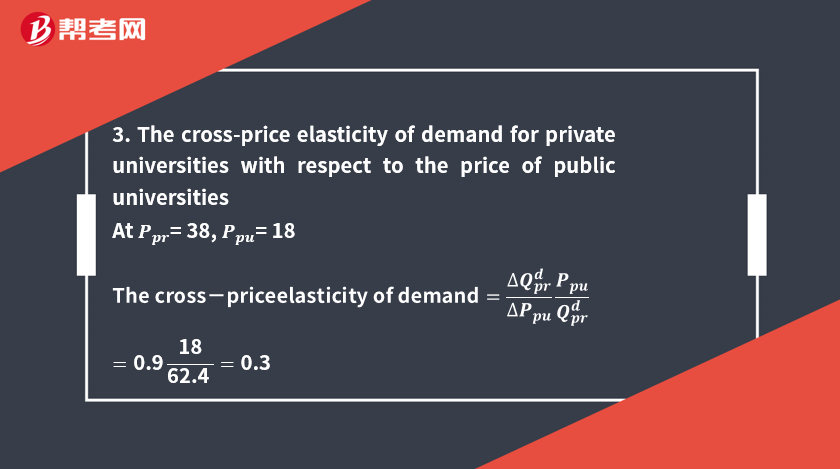
Two goods whose cross-price elasticity is positive, are substitutes.
Two goods whose cross-price elasticity is negative, are complements.
For substitute goods, an increase in the price of one good would shift the demand curve for the other good upward and to the right.

[Practice Problems] Movement along the demand curve for good X occurs due to a change in:
A. income.
B. the price of good X.
C. the price of a substitute for good X.
[Solutions] B
The demand curve shows quantity demanded as a function of own price only.
Two reasons why a consumer would be expected to purchase more of a good when its price falls: the substitution effect and the income effect of a change in price.
The substitution effect
A decrease in price tends to cause consumers to buy more of this good in place of other goods.
The income effect
The price of something falls while the consumer’s money income and the prices of all other goods remain unchanged. There is an increase in purchasing power or real income.
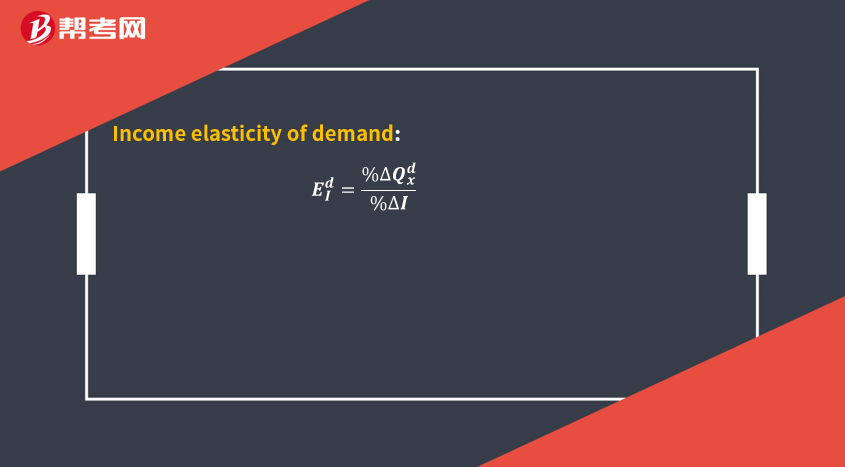
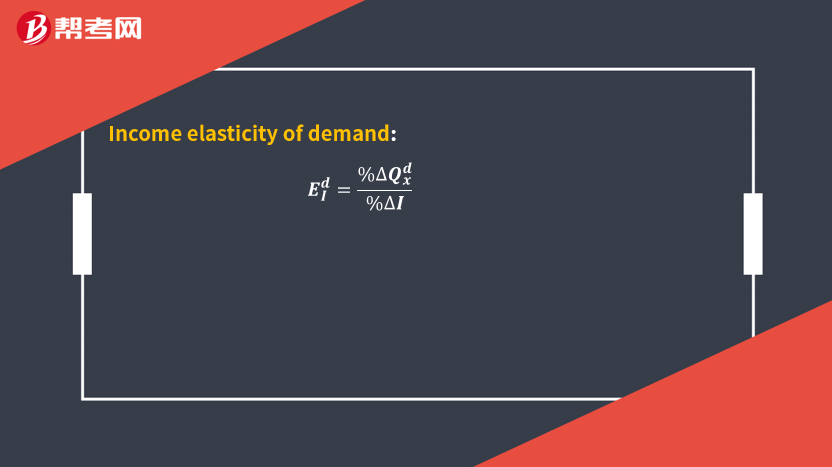
For most goods and services, consumers tend to buy more of them when their income rises.
For most goods and services, an increase in income would cause consumers to buy more; these are called normal goods.
Goods that consumers buy less of when their income rises and goods are called inferior goods.
For normal goods, the substitution and the income effects reinforce one another to cause the demand curve to be negativelysloped.
For inferior goods, an increase in income causes consumers to buy less, not more.
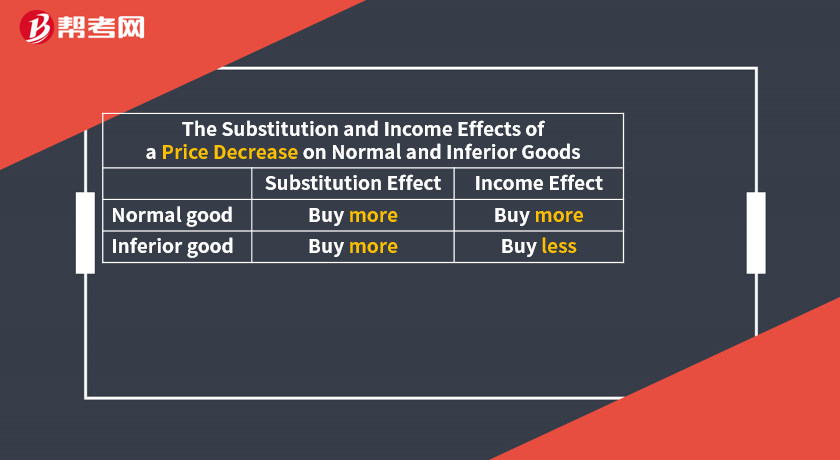
In theory, it is possible for the income effect to be so strong and so negative as to overpower the substitution effect.
In such a case, more of a good would be consumed as the price rises and less would be consumed as the price falls. These goods are called Giffen goods.
Veblen goods are goods that derive their value from the consumption of them as symbols of the purchaser’s high status in society.
[Practice Problems] For a Giffen good, the:
A. demand curve is positively sloped.
B. substitution effect overwhelms the income effect.
C. income and substitution effects are in the same direction.
[Solutions] A
The income effect overwhelms the substitution effect such that an increase in the price of the good results in greater demand for the good, resulting in a positively sloped demand curve.
 354
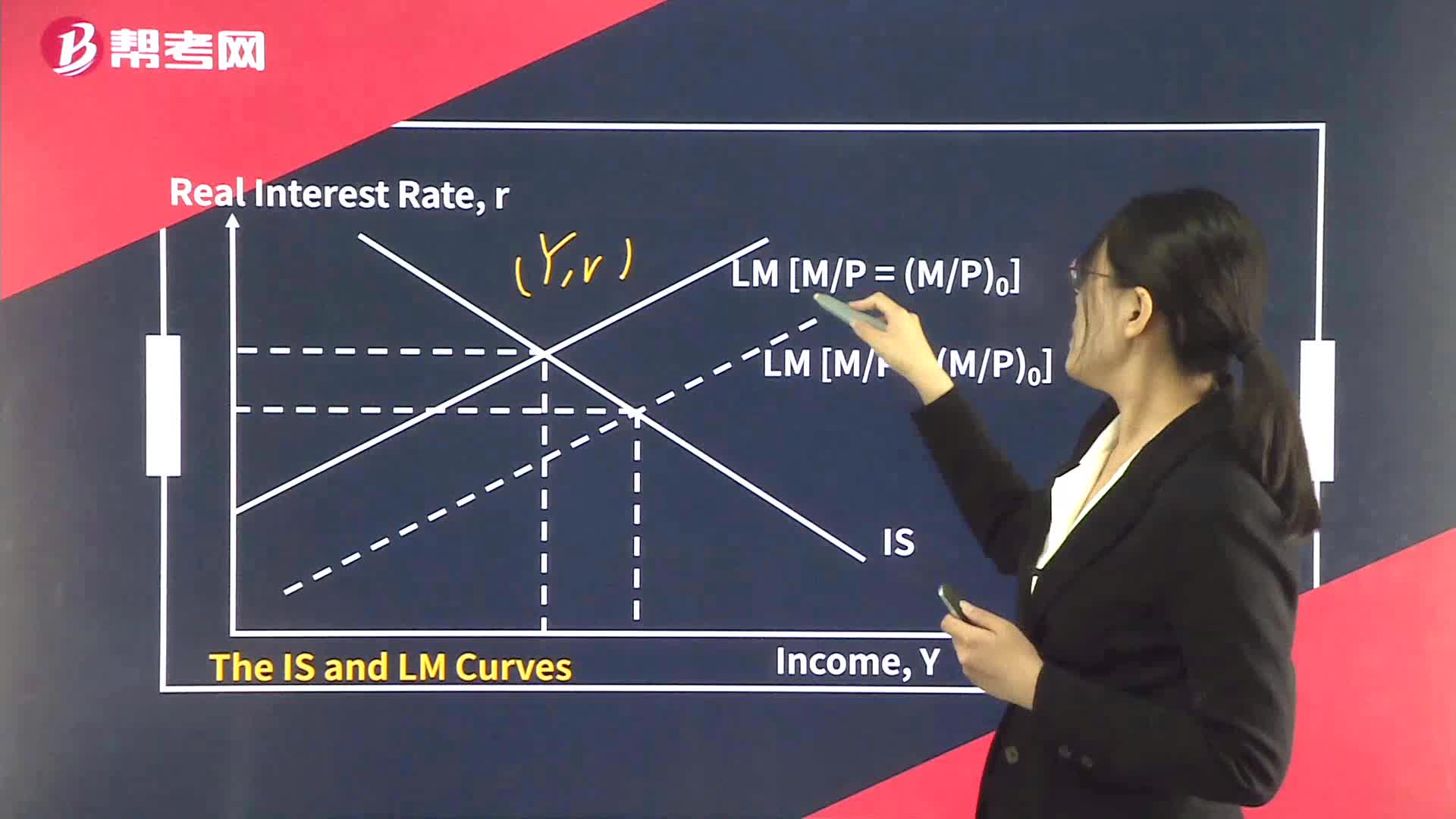
354The Aggregate Demand Curve:changes in private saving S.;money demand is insensitive to Y.
 184
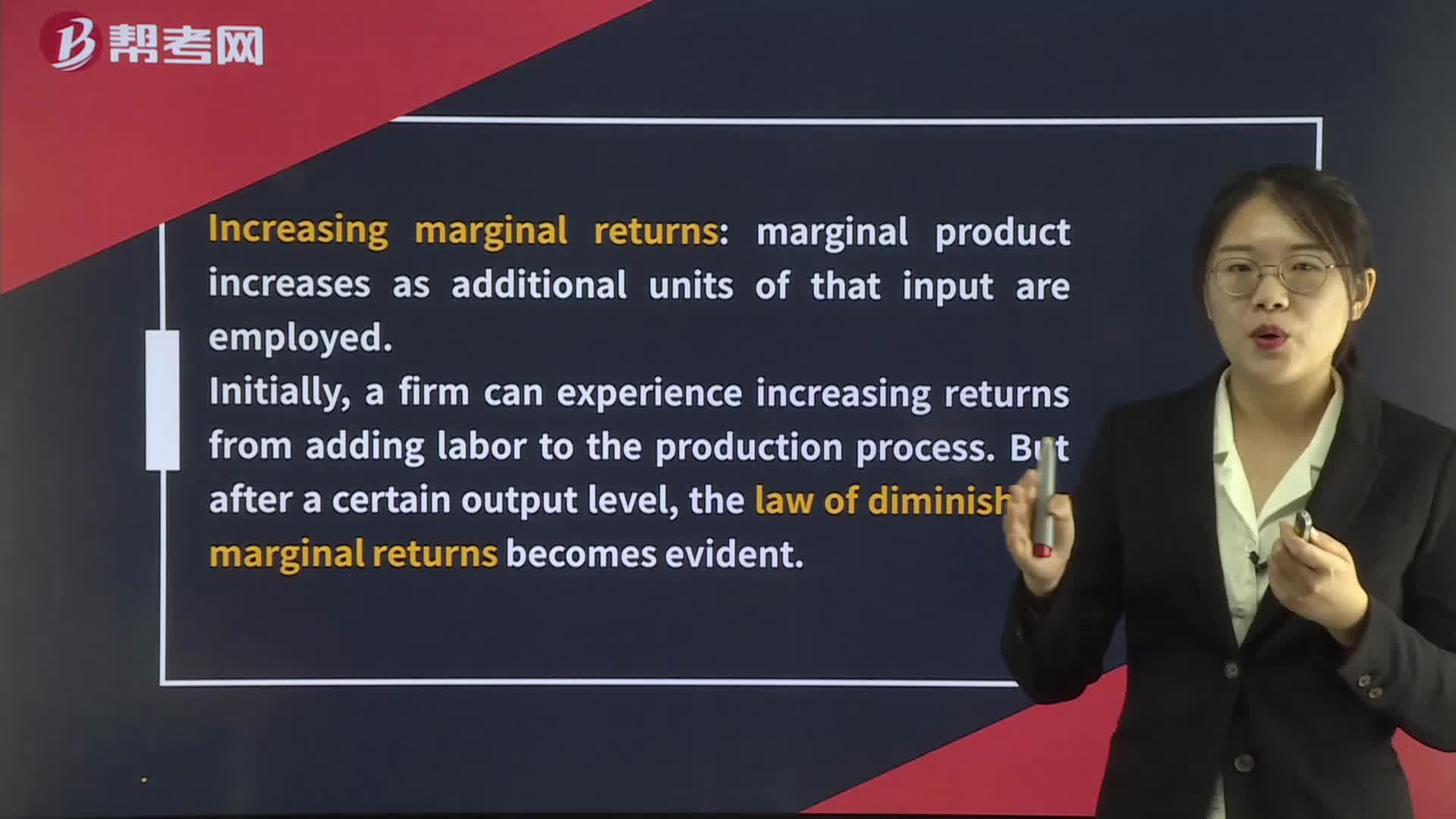
184Supply Analysis:The Firm:units of that input are employed.:Initially:levelproductive and less of them would be needed
 160
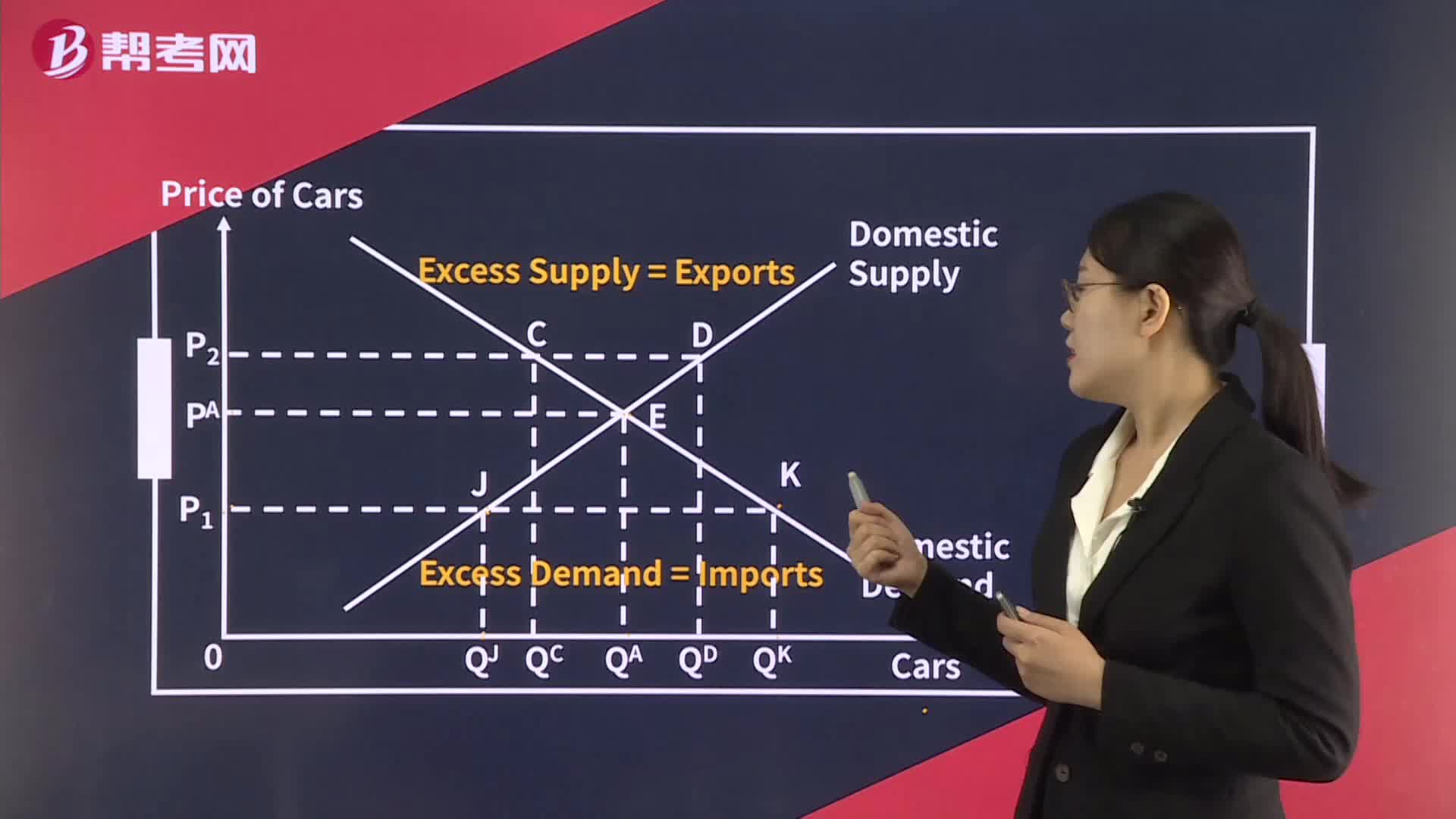
160Excess Demand, Excess Supply:Excess Supply

微信扫码关注公众号
获取更多考试热门资料