Price Indexes and Their Usage
376 播放时长:115
加载播放器...
the CPI-U.countriesThe United States’ Treasury Inflation-ProtectedSecurities TIPS adjusts the bond’s principal according to the US CPI-U index.
Price indexes are statistical measures that track the changes in the prices of goods and services over time. They are used to measure inflation, deflation, and changes in the cost of living. Price indexes are important tools for policymakers, businesses, and consumers to make informed decisions about economic conditions and financial planning.
Some of the commonly used price indexes include:
1. Consumer Price Index (CPI): This measures the changes in the prices of a basket of goods and services that are typically purchased by households. It is used to track changes in the cost of living and is a key indicator of inflation.
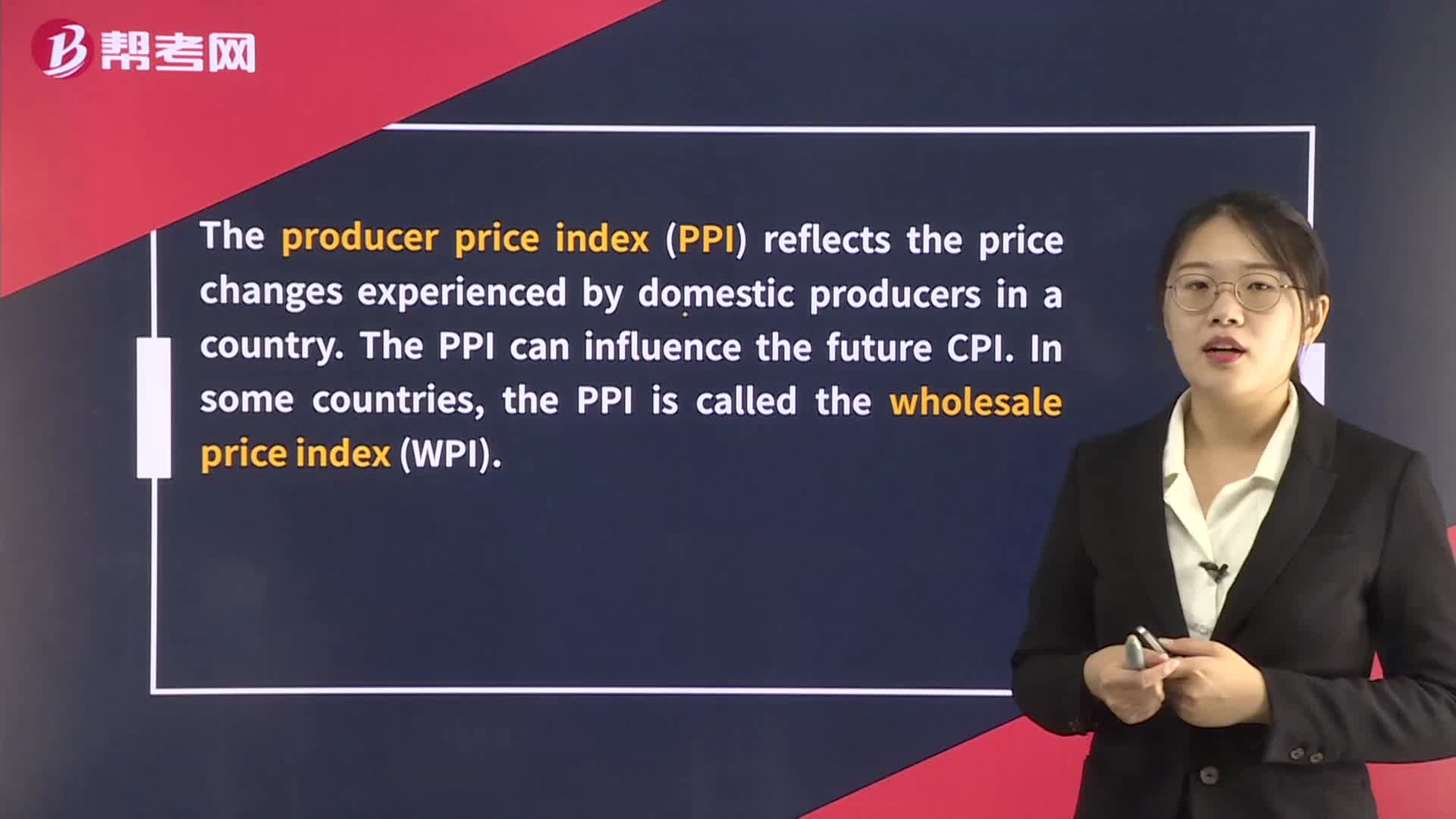
2. Producer Price Index (PPI): This measures the changes in the prices of goods and services at the wholesale level. It is used to track changes in the cost of production and is an important indicator of inflationary pressures in the economy.
3. Gross Domestic Product Deflator (GDP Deflator): This measures the changes in the prices of all goods and services produced in an economy. It is used to calculate real GDP, which is a measure of the economy's output adjusted for inflation.
4. Import and Export Price Indexes: These measure the changes in the prices of goods and services traded between countries. They are used to track changes in international trade and competitiveness.
Price indexes are used in a variety of ways, such as:
1. Setting monetary policy: Central banks use price indexes to set interest rates and control inflation.
2. Wage negotiations: Labor unions and employers use price indexes to negotiate wages and salaries.
3. Business planning: Businesses use price indexes to forecast demand, plan production, and set prices.
4. Government policy: Governments use price indexes to adjust tax brackets, set social security benefits, and calculate inflation-adjusted payments.
In summary, price indexes are important tools for measuring inflation, tracking changes in the cost of living, and making informed decisions about economic conditions and financial planning.
CFA考试视频Price Indexes and Their UsageCFA一级视频


